

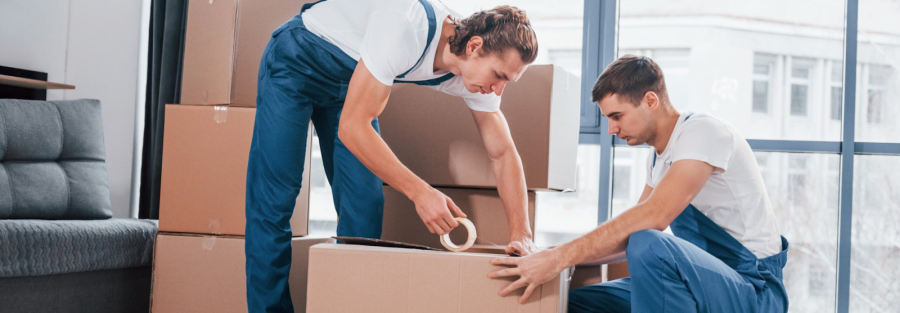
Moving to a new home or office requires careful preparation, and packing plays a critical role in the overall success of the move. Many homeowners and businesses underestimate the impact of poor packing decisions, which often leads to damaged items, delays, and unnecessary stress. Understanding the most common packing mistakes when moving home helps reduce these risks and supports a more organized relocation process.
Whether you are planning a residential move, a local relocation, or an office transition, avoiding packing errors is essential. This guide outlines the most frequent packing mistakes, explains why they happen, and provides practical solutions to help protect belongings during transit.
Why Packing Mistakes Are Common During Moves
Packing mistakes usually occur due to limited time, lack of experience, or incorrect assumptions about how items should be packed. Many people assume that standard boxes and minimal padding are sufficient, which often leads to avoidable damage.
Common causes of packing errors include:
- Delaying packing until the final days
- Using unsuitable or weak packing materials
- Overlooking fragile or specialty items
- Failing to plan packing room by room
Recognizing these issues early helps homeowners and businesses pack more effectively and reduce moving related problems.
Most Common Packing Mistakes When Moving Home
Packing Too Late
One of the most common moving mistakes is starting the packing process too close to moving day. Packing always takes more time than expected, especially when sorting through accumulated belongings.
Late packing often results in:
- Poor organization
- Improperly packed fragile items
- Increased stress during the move
How to Avoid This
Begin packing several weeks in advance. Start with items that are used less frequently, such as seasonal items, books, and decorative pieces. A gradual approach improves packing quality and reduces last minute errors.
Using Incorrect Packing Materials for a Move
Using weak, reused, or damaged boxes is a leading cause of breakage while moving. Inadequate padding and low quality tape further increase the risk of damaged items.
Common material related mistakes include:
- Using thin or torn boxes
- Skipping bubble wrap or packing paper
- Relying on newspaper for fragile items
How to Avoid This
Choose sturdy boxes designed for moving and use appropriate cushioning materials. Selecting the right packing materials for a move helps prevent shifting and protects items during handling and transportation.
Overpacking Boxes
Overfilling boxes is another frequent mistake that leads to damaged items and lifting injuries. Heavy boxes are more likely to break and are difficult to transport safely.
How to Avoid This
Distribute weight evenly. Use smaller boxes for heavy items like books and larger boxes for lighter items such as bedding or clothing. Boxes should be manageable to lift without strain.
Failing to Label Boxes Properly
Improper labeling causes confusion during unloading and unpacking. Fragile items may be handled incorrectly, and essential items can be difficult to locate.
How to Avoid This
Label each box with its contents and destination room. Clearly mark boxes containing fragile items to ensure careful handling.
How to Pack Fragile Items Safely
Incorrect Packing of Fragile Items
Fragile items such as glassware, electronics, artwork, and decorative objects are often damaged due to improper wrapping or insufficient cushioning.
How to Pack Fragile Items Correctly
- Wrap items individually using packing paper or bubble wrap
- Cushion the bottom and top of boxes
- Avoid stacking fragile items directly on each other
- Fill empty spaces to prevent movement
Using these techniques significantly reduces the risk of breakage while moving.
Ignoring Kitchen Packing Tips
The kitchen contains some of the most fragile and varied items in a home. Plates, glasses, appliances, and pantry goods require different packing methods.
Common kitchen packing mistakes include:
- Packing plates flat instead of vertically
- Mixing heavy appliances with fragile items
- Forgetting to secure liquids
Kitchen Packing Tips
- Pack plates vertically like records
- Use dividers for glasses and cups
- Seal liquids securely before packing
- Clearly label kitchen boxes
Careful kitchen packing helps protect delicate items and simplifies unpacking.
Furniture Packing and Disassembly Mistakes
Skipping Furniture Disassembly
Attempting to move large furniture without disassembling it often results in scratches, broken parts, or damage to walls and doorways.
Furniture Disassembly Tips
- Remove detachable parts such as legs and shelves
- Keep hardware in labeled bags
- Wrap individual pieces for protection
Disassembling furniture improves safety and makes transportation more efficient.
Not Protecting Furniture Surfaces
Unprotected furniture is vulnerable to dents, scratches, and fabric damage.
How to Avoid This
Use furniture pads, moving blankets, or protective wrap to safeguard surfaces. Corners and edges should receive extra protection to minimize damage.
Mistakes That Increase Breakage While Moving
Leaving Empty Spaces in Boxes
Boxes with empty space allow items to shift during transit, increasing the chance of breakage.
How to Prevent This
Fill gaps with packing paper, towels, or soft items. Proper cushioning keeps items stable and protected during transport.
Packing Essentials with Non Essential Items
Packing everyday necessities too early creates inconvenience during the final days of a move.
How to Avoid This
Prepare a separate essentials box with toiletries, chargers, documents, and basic supplies. Keep this box accessible throughout the move.
Decluttering and Planning Mistakes
Packing Items You No Longer Need
Packing unnecessary items increases packing time, material usage, and moving effort.
How to Avoid This
Declutter before packing. Donate, recycle, or discard items that are no longer needed. Fewer items result in more efficient packing and unpacking.
Ignoring Weather Conditions
Weather conditions can impact packing, especially during rainy or humid seasons.
How to Avoid This
Protect items using plastic wrap or waterproof containers and monitor weather forecasts to adjust packing plans accordingly.
Packing Considerations Based on Moving Services
Different types of moves require different packing approaches. Understanding these differences helps avoid common moving mistakes and supports a smoother relocation process.
Packing and Moving Services
Packing and moving services follow structured packing methods designed to reduce damage and improve organization. These services emphasize proper labeling, cushioning, and handling techniques to protect belongings during transit.
Residential Movers and Home Packing Needs
Residential movers typically handle a wide range of household items, including furniture, appliances, fragile items, and personal belongings. Common residential packing mistakes include poor kitchen packing, insufficient furniture protection, and overpacked boxes.
Using appropriate packing materials and room based packing strategies helps minimize damage and simplifies unpacking.
Local Movers and Short Distance Moves
Local movers often manage short distance relocations, but packing quality remains just as important. Many people assume short moves require less preparation, which can lead to rushed packing and avoidable damage.
Even for local moves, proper labeling, cushioning, and furniture protection are essential.
Commercial Movers and Office Packing
Commercial movers handle office furniture, electronics, and documents that require careful organization and secure packing. Common mistakes include mixing sensitive equipment with general items or failing to organize boxes by department.
Structured packing helps protect equipment and supports a more efficient office relocation.
Arlington Office Moving and Organized Packing
Arlington office moving projects often involve strict timelines and multiple workstations. Proper packing ensures that equipment, files, and furniture are transported efficiently and reassembled correctly at the new location.
Clear labeling and department based organization are especially important in office moves.
Piano Movers and Specialty Item Packing
Pianos are heavy, delicate instruments that require specialized packing and handling. Improper packing can result in structural damage or misalignment.
Piano movers rely on protective wrapping, secure positioning, and careful handling to reduce risk during transportation.
The Role of Proper Packing in Professional Moving Standards
Professional moving standards emphasize preparation, safety, and organization. Businesses such as Heritage Pride Helpers follow structured packing principles that focus on protecting belongings and reducing moving related complications.
Adopting professional packing practices helps homeowners and businesses experience fewer delays, less damage, and smoother transitions.
Final Thoughts on Avoiding Packing Mistakes When Moving Home
Packing is a critical part of any move and should not be rushed or overlooked. By understanding and avoiding common packing mistakes when moving home, individuals can reduce stress, protect belongings, and improve the overall moving experience.
From selecting the right packing materials for a move to applying proper kitchen packing tips, furniture disassembly strategies, and fragile item protection, careful planning makes a measurable difference. A well packed move supports efficiency, safety, and peace of mind throughout the relocation process.
Frequently Asked Questions
1. What are the most common packing mistakes when moving home?
The most common mistakes include late packing, using weak boxes, overpacking, poor labeling, and incorrect handling of fragile items.
2. How can I prevent breakage while moving?
Use proper packing materials, wrap items individually, fill empty spaces in boxes, and clearly label fragile items.
3. What packing materials are best for moving?
Sturdy moving boxes, packing paper, bubble wrap, strong tape, and furniture pads are essential for safe packing.
4. How should fragile items be packed?
Fragile items should be wrapped individually, cushioned on all sides, and placed in well labeled boxes to ensure careful handling.
5. Why is furniture disassembly important?
Disassembling furniture reduces the risk of damage, improves handling safety, and makes transportation more efficient.